

Key Aspects of Equestrian Riding for Beginners Explained
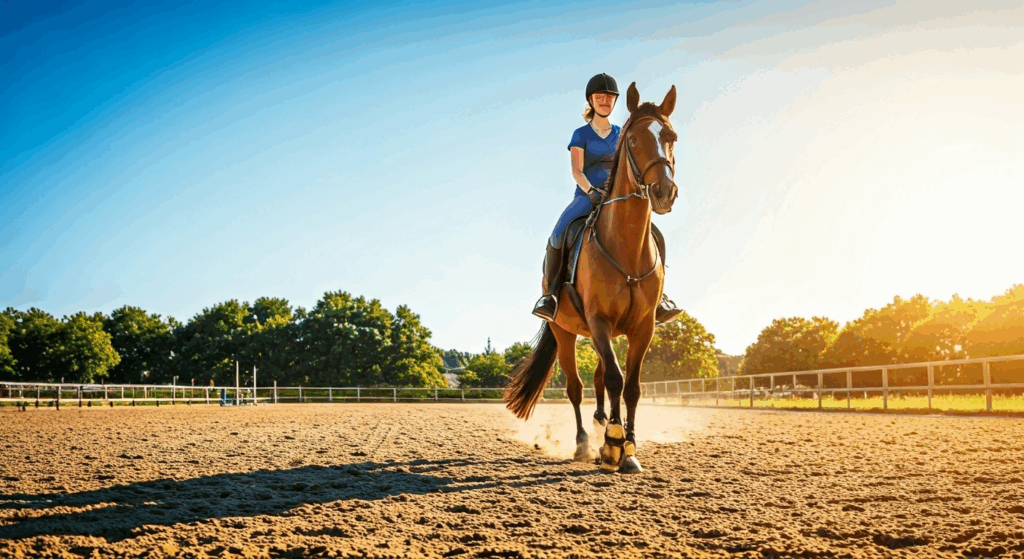
- Introduces foundational horse riding concepts, ideal for beginners seeking insight into the equestrian world.
- Stresses the significance of forging a strong bond with the horse through trust and understanding body language.
- Details essential equipment like saddles, reins, helmets, and attire to ensure safety and comfort while riding.
- Provides guidance on choosing reputable riding schools and qualified instructors to start your horseback riding journey.
- Offers step-by-step techniques for developing riding skills, from mounting to using cues effectively.
- Clarifies common beginner concerns about expenses, safety protocols, and overcoming nervousness.
Horse riding is not just something people do for fun. It is also a skill where you learn how to work with the horse and really understand horse behavior. This creates great moments while riding. You can get into horseback riding just to relax, or you might want to get really good and learn about equestrianism competitions. Either way, you need to start with the basics.
When you begin this journey, it helps to learn how to talk to your horse and use the right moves. Everything you do with the horse will help you get better at riding. In this blog, you will find what you need to know before getting on a horse for the first time. It will help make sure your first horseback riding trip is safe but also fun. Whether you want to ride just once or learn all there is about horseback riding, this guide is for you.
Understanding Equestrian Riding: The Basics for Beginners
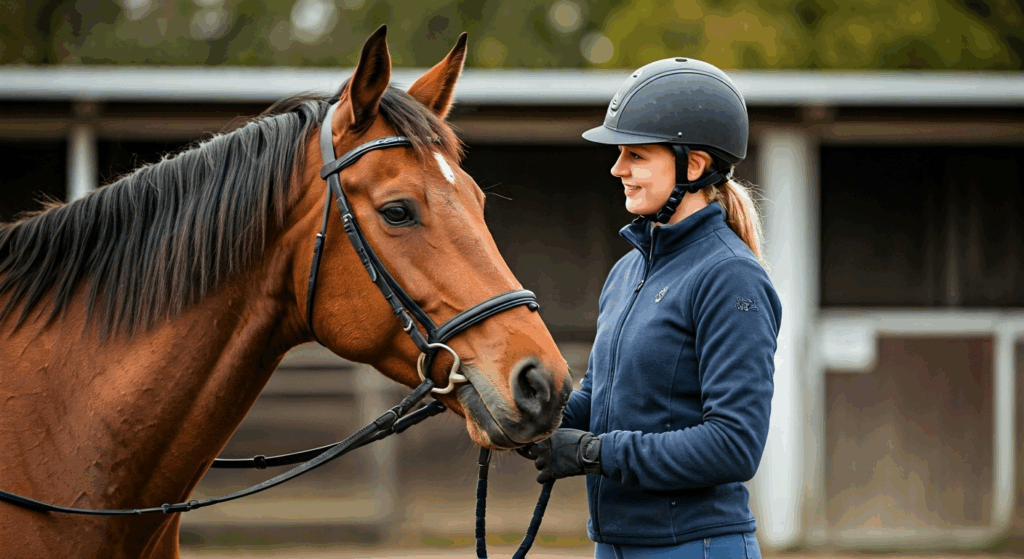
The right horse for people who are new to riding will be calm and patient. It should also be well-trained. When you start, you work on riding skills—like finding your balance, fixing your posture, and improving your coordination. Learning the basics makes sure you have a good time and go further in horseback riding. Good preparation makes your horseback journey fun and full of rewards.
The Human-Horse Connection: Why It Matters
The relationship between the rider and the horse is very important for good horse riding. To have a strong bond with the horse, you need to work at it all the time. You have to build trust and pay close attention to the horse’s body language. Horses are always aware of what is going on around them because they are prey animals. They will respond the best to someone who is calm but firm. If you watch for small signs—like where their ears are pointing or if their body shifts a little—you can tell what mood they are in and what they might do next.
Good and clear communication is key to this connection. A confident rider brings calmness to the horse. When you use simple signals—like small hand or leg movements—the horse knows what you want and is more likely to go along with you. Riders who get good at this see their horses listen better and follow their commands more often.
You can also build a strong bond by spending time with the horse outside of riding. Activities like grooming, taking the horse for a walk by hand, or just being near it help the horse trust you. This helps both of you work well together when training or riding and makes your partnership even better over time.
Common Misconceptions About Horseback Riding
Horseback riding has a lot of myths that people think are true. One big myth is about horse behavior. Many people believe horses are hard to control or hard to train. But in reality, horses can be very in tune with people. They do best when you use clear communication and keep a routine. If you take time to watch their moves and learn about their natural ways, riding and training become easier.
Some say you need to be born with talent for riding. It does help to have some natural skill. But the good news is that anyone can get better at riding horseback with the right teaching and hard work. It is common for new riders to think they will learn fast. Yet, building up riding skills, confidence, and balance takes both time and practice.
It is also not true that horseback riding is just a sport for the body. Riders need to be mentally prepared too. Some might think riding is easy, that you just sit still in the saddle. There is much more to it than that. You must use your core muscles, keep your posture right, and be ready for whatever the horse might do. Getting this kind of coordination and focus takes training, lots of experience, and the will to stick with it.
Essential Equipment and Attire Needed to Begin
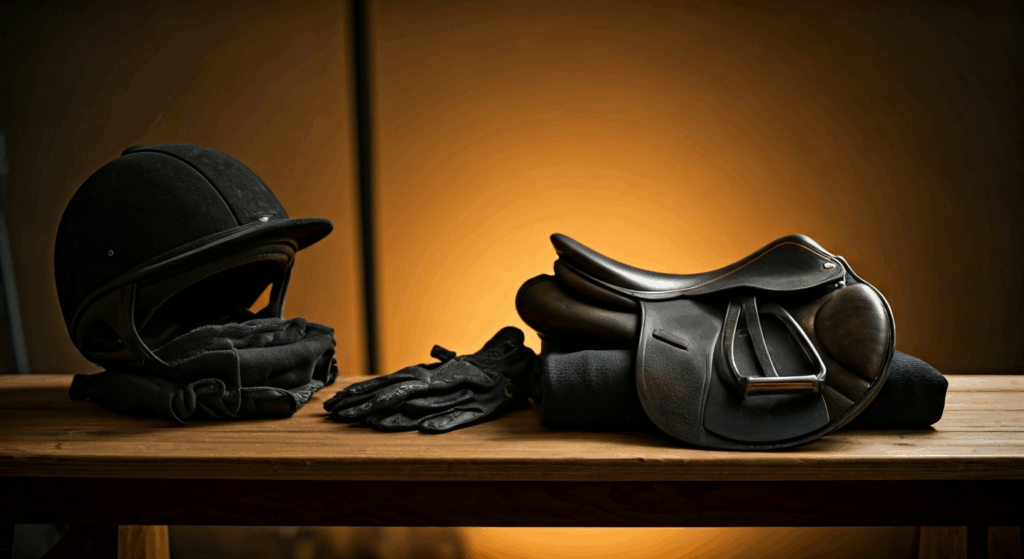
The horse also needs good gear. Get a good saddle, reins, and stirrups. These help you sit right and give you better control while riding. All of these things work together. They make riding and training better for both people and the horse.
Choosing the Right Riding Gear and Helmet
Choosing riding gear should start with safety in mind. You need to have a certified helmet because it protects you if you fall and helps reduce injury. Make sure your helmet fits well. It should be snug on your head but not too tight. For a better grip and to help you control the horse in every lesson, wear gloves.
The saddle plays a big part in both your comfort and the comfort of the horse’s back. A good saddle spreads your weight across the horse’s back. This helps to stop pain or other problems. The right stirrup length lets you keep your balance while you ride. Your reins should be easy to hold for effective communication with your horse.
When picking your main items, focus on these:
- Use a certified equestrian helmet that meets ASTM or SEI standards.
- Choose a saddle made to fit your size and the type of riding, like Western or English.
- Pick reins that be comfortable and let you quickly tell your horse what you want.
When you focus on moving in the right direction with safe, quality gear, you and your horse will be ready for great riding, every time.
Selecting Appropriate Footwear and Clothing
The right shoes and clothes can really improve your horse riding experience. You need strong boots that have a small heel. This keeps your foot from slipping through the stirrups, which helps keep you safe. The clothes you wear should fit well and feel good, so you are not distracted when you move on horseback.
Key wardrobe essentials include:
- Equestrian boots with non-slip soles and tough build.
- Breeches that let you move freely and do not rub your skin.
- Gloves that help you get a good grip while riding.
When you dress the right way, it shows you respect horseback riding traditions. Choose clothes made from light and airy materials if you are riding in hot weather. Wear layers if it is cold outside. If you pick your horse riding clothes with care, you stay safe, ride better, and your horse is also more comfortable during the riding experience.
Key Aspects of Equestrian
Starting your equestrian journey begins when you take lessons from a certified riding school and instructor. These schools have structured programs. They are good for beginners. They help you learn basic training and important horse care skills.
Choosing the right instructor means you will get special guidance in your lessons. The teacher will focus on helping you improve your riding skills and see what you do well. Over time, you will feel more confident and get better at riding. You will also understand the need for proper horse care. All these are important if you want a good and fun riding experience.
Finding the Right Riding School or Instructor
The ideal riding school will have good places for you to learn and teachers who know what they are doing. This is important so that you get taught the right way from the start. When you look for a school, try to find ones that have certified programs. The program should focus on safety, horse care, and building your riding skills.
You can ask some questions to help make your choice:
- Is the person teaching the class certified in horse riding?
- Do they make sure every student uses safety gear like helmets?
- How do they check if the students are getting better over time?
Good instructors break lessons down into smaller parts. They teach you about best practices and help you get to know horse behavior too. Starting in a proper and organized way helps you feel more sure of yourself. It makes it possible to keep getting better as you go. When you choose a trusted riding program, it gives you the base you need to move forward in horse riding.
What to Expect During Your First Lesson
Your first horse riding lesson will be safe, helpful, and fun. At the start, you get to try some easy exercises like getting on the horse the right way and keeping your balance when you are sitting on the horse’s back. You also learn simple ways to give your horse cues and talk to it while riding.
Key activities during lessons include:
- Finding out how to approach and handle the horse with confidence.
- Practicing how to get on and find the right riding positions.
- Learning the basics of horse riding safety and rules.
You will have chances to meet other people taking lessons. This helps build your social connections and can help make you more physically fit. Remember, all experts used to be new at this. So, enjoy the ride, and know that you will get better with time!
Step-by-Step Guide: Learning to Ride Safely and Effectively
A good start in riding begins with safety and knowing what works. You need to have a strong bond with the horse. Pay attention to its body language to build trust between you and the horse. Pick the right gear for your ride. This means using a saddle and stirrups that fit well because they help with comfort and keep you steady. Take each step slowly and always use clear communication. Voice commands and gentle cues will guide your horse. As you keep riding, your coordination and core strength will grow. This will help you become a confident rider in the equestrian world.
Step 1: Approaching and Handling Your Horse
When you walk up to a horse, it is important to understand how the horse acts and moves. Start by moving in a calm and sure way. Try to look relaxed so that the horse sees you as safe. This is one way to build a strong bond. That will help with trust and make it easier for you to have good and effective communication.
You should always come up to a horse from the side. This helps the horse see you. Speak to the horse using soft voice commands. Let the horse know what you want it to do. If the horse feels safe and calm, it will be more likely to have a good riding experience. A relaxed horse will listen better, and your connection will be stronger when riding.
Step 2: Mounting, Balance, and Basic Riding Position
Achieving the right riding position starts with getting on the horse the right way. Use a sturdy mounting block if you can. It helps you stay steady and keeps strain off your body. After you sit in the saddle, focus on your balance. You need core strength to keep an upright posture and control the horse’s movements. Let your legs relax, and let the stirrups hold your feet. This makes a soft link between you and the horse. Pay attention to your body language. This helps with balance and makes the connection with your horse even better.
Step 3: Using Aids, Cues, and Building Confidence
Effective communication with your horse is key in riding. You use aids and cues, like small changes in your body language, slight pulls on the reins, or voice commands, to help guide your horse’s movements. When you build a strong bond, trust grows between you and your horse. This trust makes your riding experience better. If you give consistent feedback and keep things positive, both you and your horse feel more sure of yourselves. This helps your horse do better, and you both become a team in the world of horseback riding.
Conclusion
Mastering horseback riding is a journey that gives you many rewards. You gain physical fitness, learn about horse behavior, and get to know your horse better. When you use effective communication, you build a strong bond with your horse. This helps you improve your riding skills and enjoy the experience even more.
To be good at horseback riding, you need to stay consistent in your training and focus on building trust. This is key in the equestrian world. As you spend time riding and working with your horse, you get better at understanding horse behavior. Remember, every time you ride, you make your riding skills and your connection with your horse stronger. This also helps you grow as a rider.
What is the best age to start learning horseback riding?
There is not one set age when people should start horseback riding. Most kids between 7 and 10 can understand and do the basics because they have better balance at this time. But, adults can start learning to ride too. It does not matter what age you are. Horseback riding can give you a great time and new things to love and learn at any stage in your life.
How do I overcome nervousness when riding for the first time?
To help get over feeling nervous when riding for the first time, try to focus on taking slow, deep breaths. You can also use visualization techniques, where you picture yourself riding calmly. Take some time to get to know your horse. Practice mounting and getting off the horse in a safe place. If you can, work with an experienced instructor. This will help you build your confidence step by step.
What are the main safety rules every beginner should know?
Every beginner needs to wear a helmet that fits well. You should make sure the horse is calm before you go to it. It is also good to keep a safe distance from other people and horses. Learning how to talk to your horse with body language will help a lot. Practice how you get on your horse, too. This will keep you safe when you ride.
Is horse riding an expensive hobby in the United States?
Horse riding is a hobby that can cost a lot in the United States. There are many things, like equipment, lessons, and keeping or boarding a horse, that add to the price. The cost does change depending on where you are and what you choose for yourself. Still, many people can find ways to enjoy riding without spending as much money. This means there is hope for those who want to try horse riding on a budget and still have a good time with this hobby.
https://calendly.com/summer-programs/tour-of-luhi-summer-programs
https://www.farmhousetack.com/blogs/barn-blog/horse-riding-equipment-list-what-do-you-really-need
https://www.longislandlutheran.org/arts/luhi-arts-academy
https://www.instagram.com/equestroom