

Key Highlights
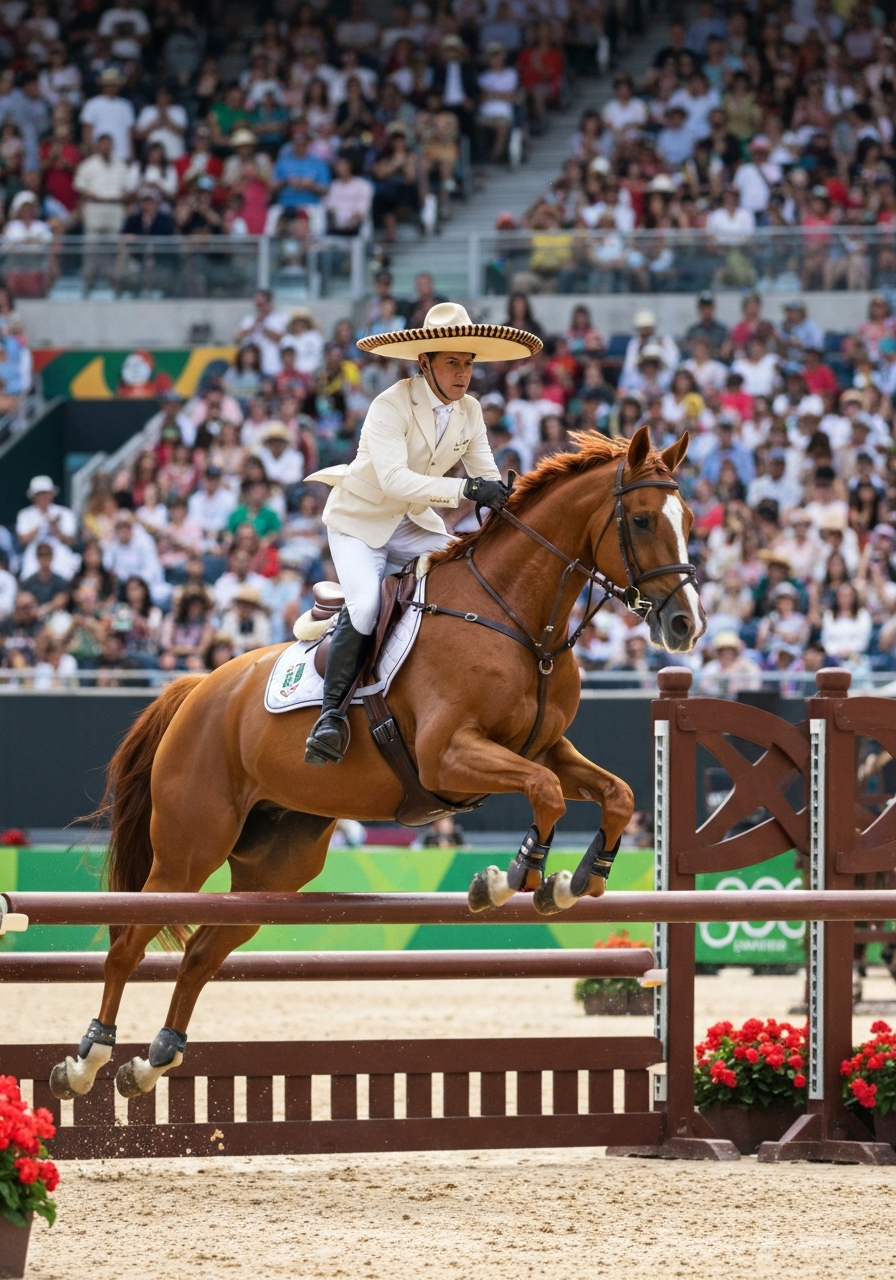
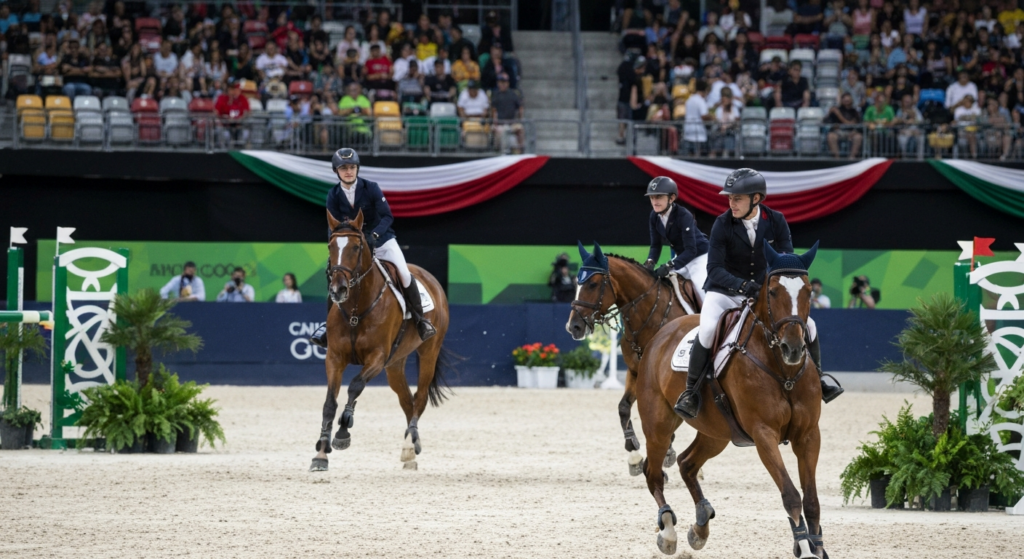
- Discover the legacy of Mexico's first Olympic gold medal, won at the London 1948 Olympic Games in equestrian show jumping. Learn about Humberto Mariles Cortés, a revolutionary rider who led the Mexican team to a historic team gold medal. Looking ahead to the upcoming Olympic Games in Paris, Mexico is once again fielding a strong show jumping squad. The current Mexican team features talented riders who have earned their place through rigorous qualifying events, with hopes of building upon Mexico's rich history and achieving new success on the world stage.
- Learn about Humberto Mariles Cortés, a revolutionary rider who led the Mexican team to a historic team gold medal.
- Explore the pride and significance of the 1968 Mexico City Olympics, the first time the Games were held in Latin America. Understand the crucial role that good horses, like the one-eyed wonder Arete, have played in Mexico's equestrian success. Today, the 2024 Mexican show jumping squad is actively preparing for major competitions by training intensively with skilled riders and carefully selected good horses. Their preparation includes participation in international events, refining their techniques, and focusing on teamwork, all with the aim of representing Mexico proudly at the upcoming Olympics.
- Understand the crucial role that good horses, like the one-eyed wonder Arete, have played in Mexico's equestrian success.
- Appreciate the passionate spirit the Mexican team brings to every Olympics, sharing its vibrant culture with the world.
Introduction
Welcome to a journey into the heart of Mexican equestrian excellence. When you think of the Olympic Games, the passion and joy of the athletes from Mexico are undeniable. They bring a unique energy to every event, soaking up every moment and sharing their culture with the world. In the prestigious world of show jumping, this spirit is combined with incredible skill and history. Let's look behind the scenes at the riders and horses that have made their mark on the Olympics.
Icons of Mexican Olympic Show Jumping
Mexico's history in Olympic show jumping is filled with legendary figures and moments of national pride. The most famous name is Humberto Mariles Cortés, who piloted his horse to glory and established a high standard for the Mexican team. His achievements put Mexico on the map as a formidable force in the equestrian world. At their most recent Olympic Games, Mexico's Olympic show jumping team competed strongly but did not secure a medal. Their presence, however, continues to uphold the tradition of excellence established by past icons, showcasing determination and skill at the highest level.
The country's greatest triumphs include a spectacular double-gold performance at the 1948 Olympics. The legacy of these early victories, combined with the pride of hosting the Games in Mexico City in 1968, has inspired generations of riders. Notably, Mexican riders who competed in the 1968 Mexico City Olympics show jumping event included Joaquín Solano, Alberto Valdés, and Rubén Uriza. These iconic moments highlight the dedication and talent that define Mexican equestrian sports. Now, let’s explore these achievements in more detail.
Legendary Achievements and Historic Riders
The story of Mexico's Olympic equestrian success begins with one man: Enrique Humberto Mariles Cortés. At the London 1948 Olympics, he and his one-eyed horse, Arete, captured the nation's first-ever Olympic gold medal in the individual jumping competition. This incredible feat instantly made them national heroes.
But their legend didn't stop there. Mariles also led the team, including Rubén Uriza and Alberto Valdez, to a gold medal in the team event. This double-gold performance remains a pinnacle of achievement for Mexico in the history of the Olympics and cemented the country's status in the sport.
According to the Mexican Olympic Committee, Mariles was a true innovator. He was described as a rider who "revolutionised the concept of equestrian," and his work in Chacna exemplifies this spirit. His introduction of discipline, control, and a unique submission of his horse during competition set him apart and showcased a style that was truly ahead of its time. Carlos Hank Guerreiro is a prominent figure in Mexico's show jumping scene. Known for his dedication and skill in the sport, Carlos Hank Guerreiro has contributed to the growth and visibility of show jumping in Mexico through both national and international competitions, continuing the legacy of historic riders and supporting the development of new talent.
Unforgettable Moments from the 1968 Mexico City Olympics
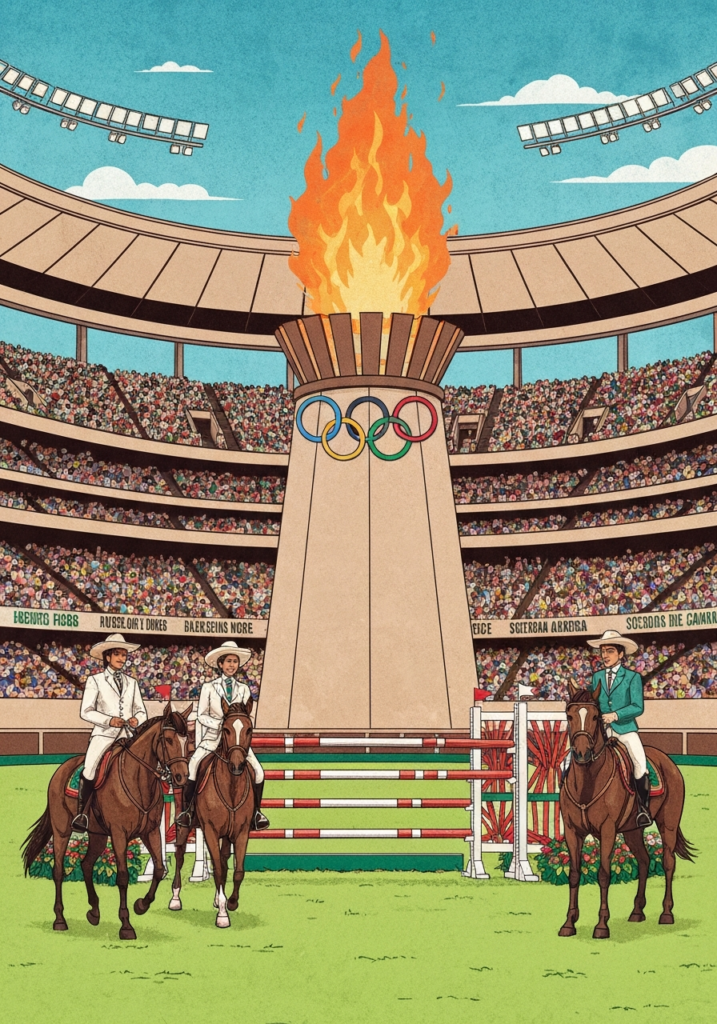
The 1968 Olympic Games in Mexico City were a landmark event. As the first Latin American city to host the Olympics, it was a moment of immense pride for Mexico. The games were not just about competition; they were about making history. One of the most powerful images was of Enriqueta Basilio, who became the first woman ever to light the Olympic cauldron. While not directly related to the 1968 Olympics, another notable Mexican Olympian is Federico Fernandez. Fernandez is an accomplished Olympic show jumper who is also known for surviving a tragic plane crash. His story is one of remarkable resilience and determination, as he continued to excel in his sport after overcoming such a life-altering event.
The competitions themselves were filled with record-breaking performances that are still remembered today. While a detailed list of the home country's show jumpers isn't available, the event was marked by incredible athletic feats across various sports.
These games showcased some of the most memorable athletic achievements of the 20th century. Here are a couple of the standout records set in Mexico City:
| Athlete | Country | Event | Record |
|---|---|---|---|
| James Hines | USA | 100m Sprint | 9.95 seconds (First sub-10 second race) |
| Bob Beamon | USA | Long Jump | 8.90m ("Jump of the Century") |
Conclusion
In conclusion, exploring the world of Mexican riders and their remarkable contributions to Olympic show jumping highlights not only their legendary achievements but also the passion and dedication that define this sport. From historic performances to unforgettable moments at the 1968 Mexico City Olympics, these athletes have left an indelible mark on the equestrian community. As we celebrate their milestones, it's important to recognize the challenges they continue to face and the resilience they embody. Whether you're a fan of equestrian sports or looking to learn more about this inspiring journey, the stories of these iconic riders are sure to motivate and uplift. Stay tuned for more insights and celebrate the vibrant legacy of Mexican show jumping!
Frequently Asked Questions
Who are the most famous Mexican riders in Olympic show jumping history?
The most celebrated Mexican rider in the history of the Olympics is Humberto Mariles Cortés. He became a national hero after winning Mexico's first-ever Olympic gold medal in individual show jumping at the London 1948 Games, where he also led the team to a gold medal victory.
How did Mexico's team perform at their most recent Olympic Games?
While specific results for the show jumping team at the Rio 2016 Olympic Games are not detailed here, the Mexican team celebrated success in other sports. Mexico earned a silver medal in diving and a historic gold medal in men's football, showcasing the country's diverse athletic talent on the world's biggest stage.
What challenges has the Mexican Olympic show jumping team faced in recent years?
Like all elite national teams, the Mexican team faces the constant challenge of competing at the highest international level. Preparing for the Olympics requires immense dedication, securing good horses, and maintaining peak performance to be competitive against the best riders in the world at events like the World Equestrian Games.
https://www.instagram.com/chronofhorse