
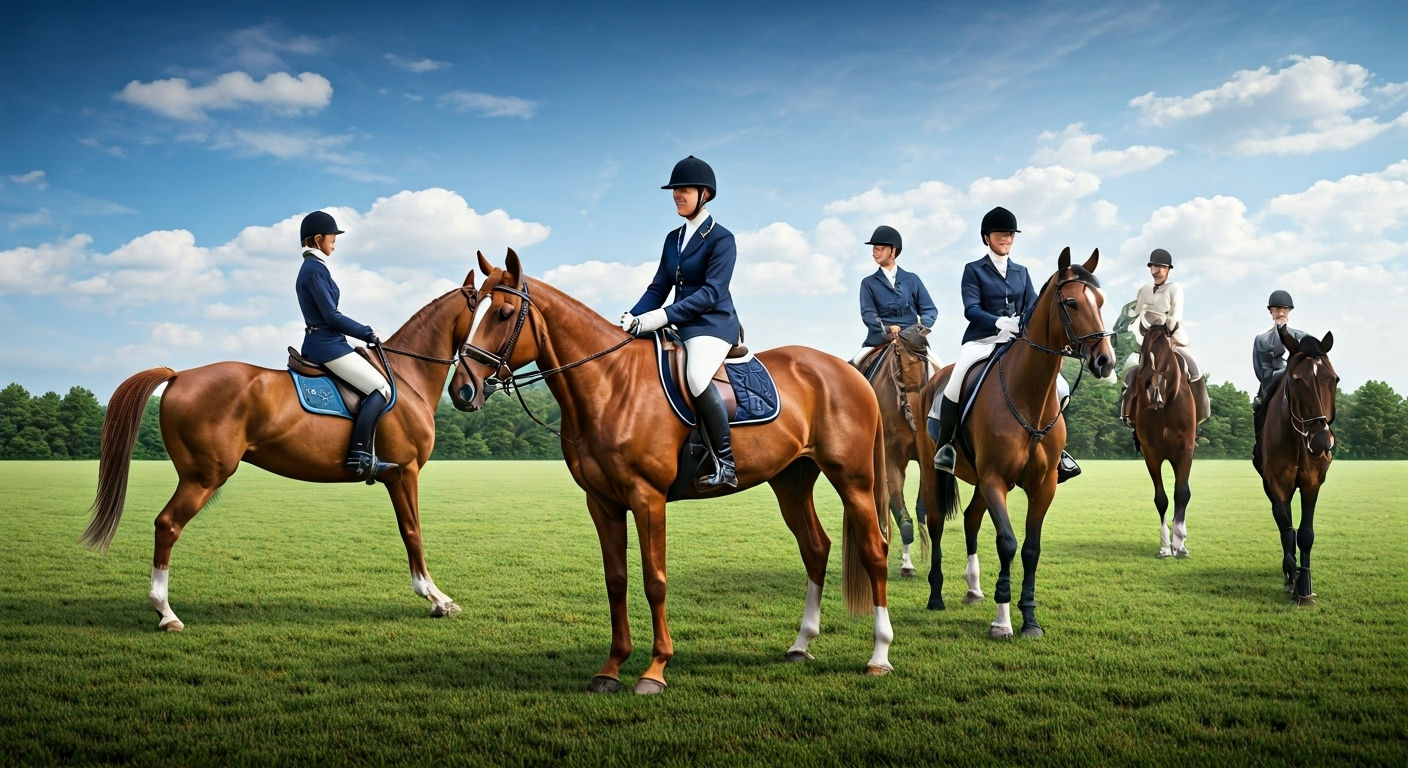

Exploring The History of Equestrianism Through Ages
Key Highlights
- Equestrianism dates back to ancient civilizations, showcasing horseback riding as a pivotal mode of transport and warfare.
- The olympic games introduced equestrian sports like chariot racing in 680 BCE, evolving into modern disciplines.
- Ancient Greece shaped foundational practices, including competitive dressage described by Xenophon.
- Show jumping and eventing reflect equestrian traditions, developed during fox hunting and cavalry training in Europe.
- Through centuries, equestrian sports merged skill, artistry, and competition, becoming cherished international events.
- Show jumping remains prominent in modern equestrian sports, celebrated in competitions like the World Championships.
Equestrian sports bring together human skill and the bond between people and horses. This connection has grown through many years. In the past, horses were used in war and in important events in early civilizations. You can see how society and new ideas have changed this sport. In the ancient olympic games, chariot racing was one of the main sports. It showed how much people liked to compete. Now, sports like show jumping, dressage, and eventing have also become a big part of olympic games and olympic disciplines. All of these sports help keep the long tradition alive. If you want to know more about this, you can look into the deep history of equestrian sports to see how much they mean and the way they touch people around the world.
Early Beginnings of Equestrianism
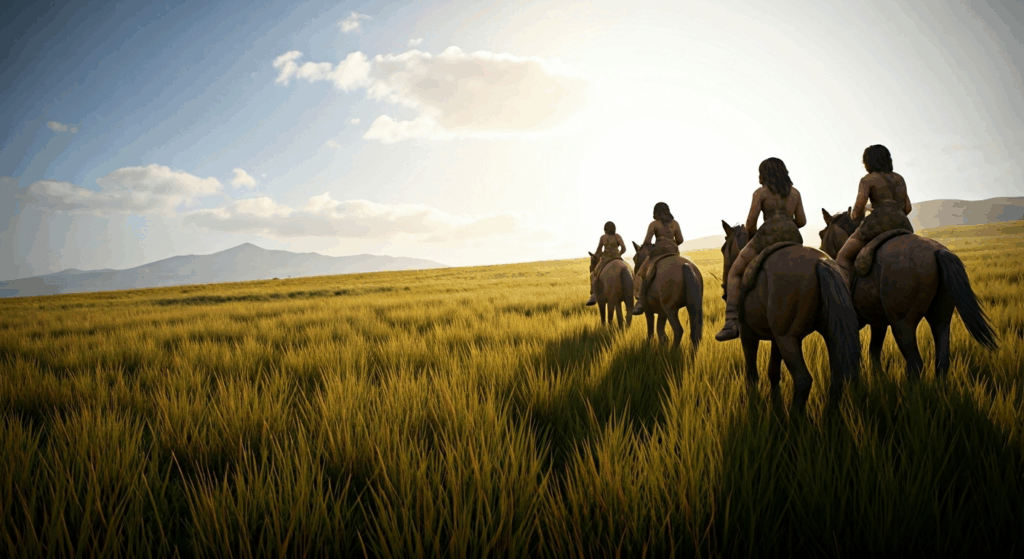
Early riders came up with the first ways to sit on and guide horses. Over time, some found new methods that helped them fight and stay safe while on horses. These changes led to big steps in horseback riding, especially in ancient times. Let’s take a look back at this important time, starting with how people first tamed horses and how old cultures changed the world of the mounted warrior.
The Domestication of Horses and Early Riding Cultures
Horses were first tamed by people around 3500 BCE. This change made a big difference in how people could move around and get things done. Clues from the past show that people started to tame horses in Central Asia. That is where horseback riding started, helping people travel and manage their animals. At old dig sites, horse bones have been found next to early bridles and saddles. This shows people tried new ways to use horses.
As horseback riding grew more common, people in Mesopotamia and the Eurasian steppes came up with basic ways to ride and use horses. Learning these new skills helped people and horses work well together. It let people travel further and made farming jobs smoother.
Soon, horses were not just used for work. In places like Egypt and Persia, people started to use horses in parades and special events. These animals became highly valued. This time set the base for horseback riding and horse traditions that soon spread to other societies.
Ancient Civilizations and the Rise of Mounted Warriors
In ancient civilizations, people saw horseback riding change the way they fought wars. When people rode horses, they could move fast and get to places quicker. This new way of fighting made a big difference in war. Groups like the Assyrians and Hittites used horses to pull chariots. These chariots were very important in battles.
After this, mounted cavalry became key to many armies. In Persia, horses helped move troops when the empire wanted to grow its land. Chinese dynasties also sent cavalry soldiers on horses, taking advantage of the horses’ endurance to hold and guard their borders.
Horses were more than just animals for work or war. Over time, horses started to be a sign of power. For example, Roman emperors were often shown sitting on horses in statues. This meant strength and leadership to the people. Parades in ancient times also had riders wearing special clothes. In the old days, horseback riding was important for work, for show, and for meaning, which helped horses have a big place in civilisation.
Equestrianism in the Classical Era
The Classical Era was a big time for equestrian sports in places like Ancient Greece and Rome. During this time, people started to make real events from their old riding practices. This included chariot racing, which had a big place in the fun and action of the ancient olympic games.
Some important thinkers, like Xenophon, helped shape different equestrian disciplines. He wrote about training horses and talked about riding in a way that was almost like an art. There was also more focus on showing off skills and holding grand events. Horse shows and big public events grew in number and size. Now, let’s see how these traditions in ancient Greece helped make events like chariot racing and other equestrian sports so popular.
Horses in Ancient Greece and Rome
Ancient Greece saw horses as symbols of both beauty and strength. This view shaped much of the work on how to train and ride them. Xenophon wrote “On Horsemanship,” where he gave ways to train horses. Many of the ideas from this old work are still used in dressage now.
The Romans learned from ancient Greece and made horses an important part of public events. Early horse shows put riding skills and horse power on display in front of big crowds at places like the Circus Maximus. Rome worked hard to breed better horses, and this improved horse shows and riding everywhere in their empire.
These performances were not just about skill—they also brought together the use of horses with the look and feel of a show. Both the Greeks and Romans thought working with horses was a sign of sport and culture. Their early horse shows now help shape the way people around the world train and show horses.
Chariot Racing and Early Competitive Events
Chariot racing started in the ancient olympic games in 680 BCE. It grew to be known as a key part of competitive equestrian sports. This exciting event tested what both horses and people could do as a team. Charioteers had to drive fast and handle tricky parts of the course with care and skill.
| Feature | Details |
|---|---|
| Introduction Year | 680 BCE, as part of ancient olympic games |
| Courses | Circular tracks with designated lanes for racers |
| Horse Requirement | Teams of 2-4 horses pulled the chariots |
| Public Reception | Considered elite entertainment during the classical era |
Over time, chariot racing became more than just all-out speed. These competitions also turned into ceremonies and showed off careful skill. The main ideas of the event helped shape new equestrian sports, like show jumping and the steeplechase, which people still enjoy today in olympic games.
Medieval Equestrian Traditions
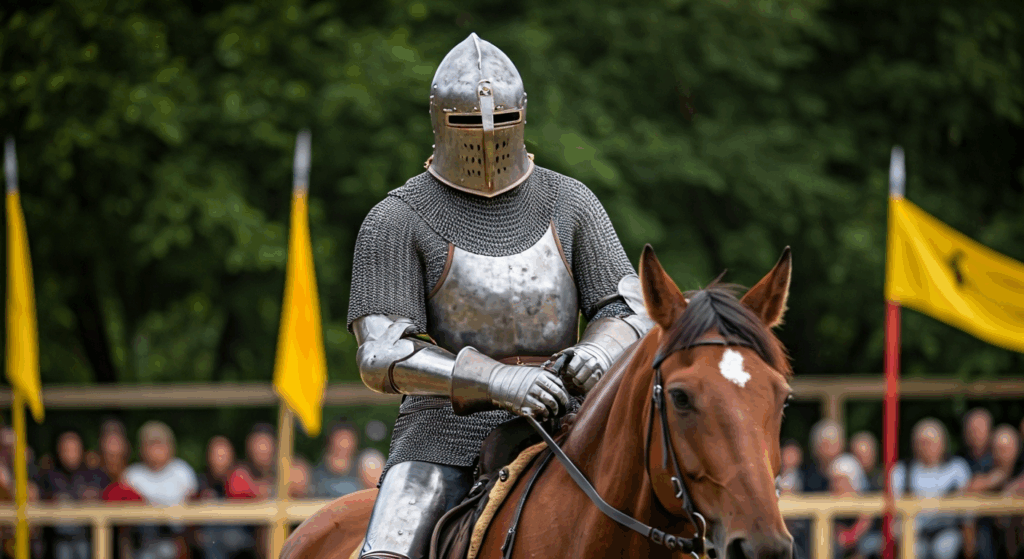
Riding skills grew when people set up special schools for horseback riding. Riders and their horses both got training at these places. They learned to get better for fighting and also for big public events. Now we can see how knights changed the world of horseback riding. We can also look at how riding skills got better and how academies for this teaching came to be during that time.
Knights, Jousts, and the Role of Horses in Warfare
Knights showed what it meant to follow the old ways with horses in medieval times. Their horses played a big part in how they fought. When knights rode on horses, they had the edge in battle. From up high, they could reach their enemies better. Armored riders soon became known as the top fighters in big wars like the Crusades. This changed how all wars in that time were fought.
People watched horses in events like jousts too. Knights faced off in these matches by charging at each other, showing off their skill. A lot of people admired horses after seeing these displays. Horses became known for their courage and faithfulness, not just as tools for battle.
Horses were there in big ceremonies as well. With knights, they walked or rode in fancy parades. Their gear was often as decorated as the men riding them. This made horses even more respected in the community. They were known as grand and important throughout the land back then.
Development of Riding Schools and Techniques
The medieval period was the time when riding schools started to grow. These places wanted to make the training of horses and how people ride them better. Some schools, like the Royal Andalusian School of Equestrian Art, used set ways to control and talk to horses.
Horses meant to be used in war went through hard training. They had to learn to turn quickly and handle strange ground. Their training needed them to have good discipline and lots of energy. These skills were important for battle and also for big public shows.
At the same time as soldiers trained, civilian schools tried new ways to move with horses. They came up with horse ballet, a kind of show where horses seemed to dance. These schools helped riding move from being just for work to something more about art and tradition. This change made equestrian heritage richer and also brought in ideas from the Royal Andalusian School and horse ballet.
Modernization and the Birth of Equestrian Sports
As the world changed, equestrian sports shifted from being just useful to becoming well-liked competitions. People started following equestrian sports like dressage and show jumping, especially when these were part of big international competitions.
With equestrian sports added to the Olympic events, the games changed. This move helped more women take part and allowed more countries to join in. These changes made sure equestrian sports still stand as tests of style and skill. From dressage shows to big Olympic moments, see how equestrian sports, including show jumping, have grown in the modern era and have become popular in many international competitions.
Emergence of Dressage, Show Jumping, and Eventing
Modern equestrian sports include dressage, show jumping, and eventing. These show skill, control, and clever thinking with horses. Dressage has roots in old riding and is known as the most artistic sport. People often call it "horse ballet" because of its flowing moves and how horse and rider work as one.
Show jumping began in England. It came about when fox hunting got harder, and horses had to jump over more fences. The sport grew from these hunts. Now, it has courses with many tricky jumps. Riders and their horses must move fast and be right on target.
Eventing combines dressage, endurance, and jumping in one contest. It started to test skills in cavalry horses, and the first main contest took place in 1902. All three of these equestrian sports keep pushing for greater skills, teamwork, and aim to show the very best in horse and rider partnerships.
Equestrianism in the Olympic Games
Equestrianism first became part of the olympic games in Paris 1900. At that time, people watched high jump and show jumping events. In 1912, the olympic games added dressage and eventing to these events. That move made the sport a strong part of the modern olympic games.
One thing that stands out in equestrian olympic events is that men and women can compete against each other. This is not common in other olympic disciplines. Team gold contests and big moments in individual games continue to be highlights in equestrian history.
Canadian riders have done very well in the olympic games. They have won medals in show jumping and team events. These moments have shown their skill, love for the sport, and good sportsmanship to people all over the world.
Equestrianism has been an important part of many cultures for a long time. People started horseback riding after the first horses were tamed. As time went by, the way we ride horses changed. The story of equestrian sports shows how people and horses grew close.
Knowing about this history makes us see equestrian sports in a new way. It also shows the big role horses play in the lives of people around the world. Different cultures and people have helped shape how we ride and work with horses today.
It does not matter if you have been horseback riding for years or are just starting out. Learning about the past of horses can help you feel more connected to the sport. If you want to know more or get involved, you can ask for a consultation. You will find many ways to join the equestrian community and be part of its story.
What is the origin of equestrianism?
Equestrianism got its start when people first tamed horses about 3500 BCE. Ancient groups like those living in Mesopotamia began to use horseback riding for getting around and when they went to war. There is evidence of horses wearing simple bridles in those times. This shows the early ways people handled and used horses. With time, horseback riding went from being something people had to do, to a skill and part of their culture.
How did horseback riding influence ancient societies?
Horseback riding changed the way ancient people lived. It had a big effect on how they fought and traded. Warriors who rode horses brought new ways to win on the battlefield. The horse made it easier to move goods and travel quickly over different types of land. Horseback riding was also important in rituals and events. It became a sign of power and respect.
When did equestrian sports become part of the Olympics?
Equestrian sports started at the olympic games in Paris in 1900. At that time, the events included jumping. Dressage and eventing were first seen later at the olympic games in Stockholm in 1912. The three disciplines have changed over the years. Now, these sports are always part of the modern olympic games. People take part in both team and individual events.
How have women contributed to the history of equestrianism?
Women have played an important role in the history of the equestrian world. In 1952, the olympic games let women and men compete on the same level. Karen Stives from Canada won a silver medal in the first female olympic eventing. She and other leading women have helped to shape the equestrian world.
What are some iconic moments in equestrian history?
Some of the most famous equestrian moments are Germany winning many times at the olympic games. Canada also won team gold back in 1968. Julia Krajewski made history when she became the first female olympic eventing champion. These big moments show the rich history that equestrian sports have in competition.
https://pubmed.ncbi.nlm.nih.gov/22819800
https://pubmed.ncbi.nlm.nih.gov/15128138
https://api.semanticscholar.org/CorpusID:27349609
https://issuu.com/theplaidhorsemag
https://commons.wikimedia.org/wiki/Category:Horse_riding