
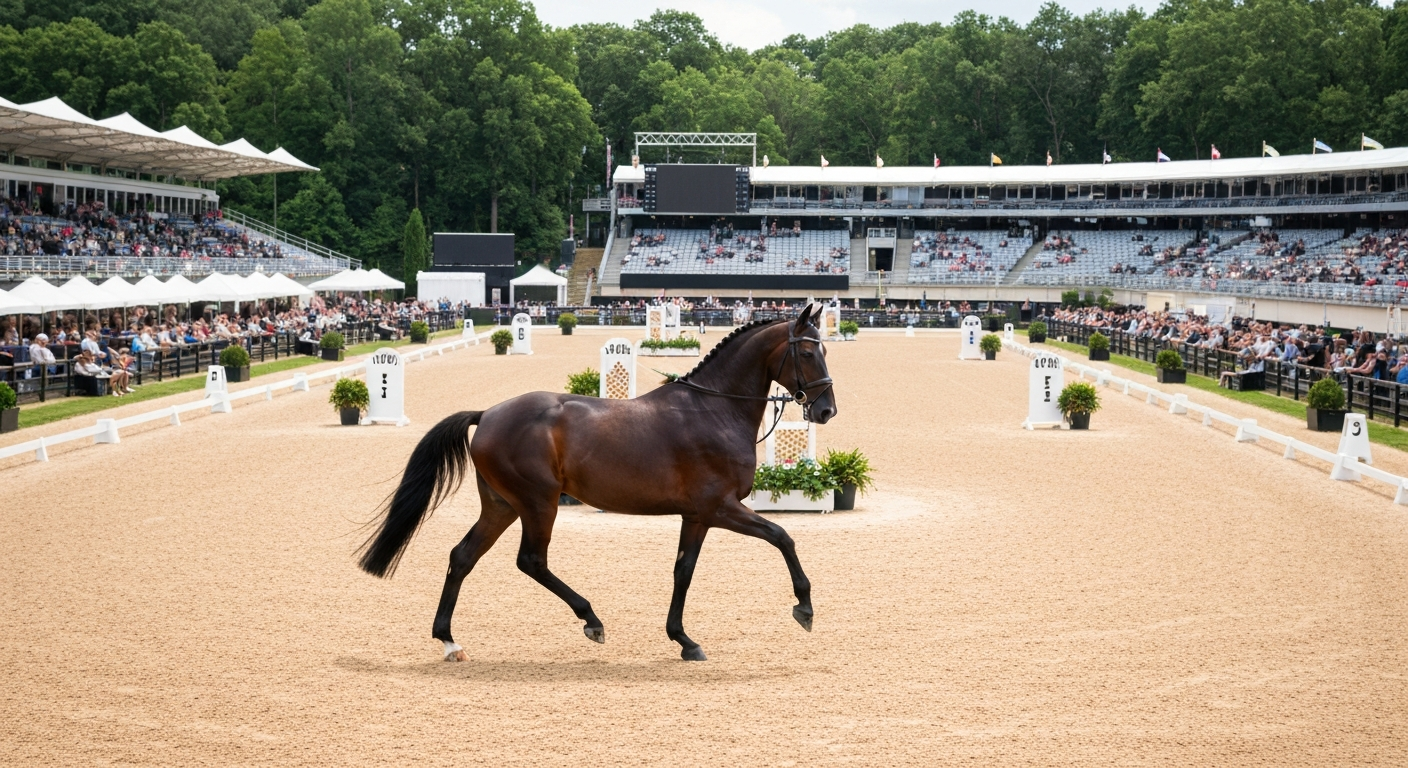

Your Practical Guide to Buy a Horse for Competition
Key Highlights
- Define your competition goals and budget for your riding career before starting your search to make an informed decision.
- Thoroughly research horse breeds and sellers to find a suitable match for your discipline.
- Always arrange a trial ride to evaluate the horse’s personality, training, and suitability for you.
- A pre-purchase veterinary examination is a critical step to understand the horse's overall health.
- Use a horse checklist to ask the right questions about the horse's background, health, and training.
- Bringing an experienced horse person with you can provide a valuable outside perspective.
Introduction
Shopping for a competition horse is an exciting journey, but it can also feel overwhelming. The possibilities are endless, and finding the perfect partner among potential prospects for your equestrian goals is a significant commitment. Whether this is your first horse or a new addition to your stable, making an informed decision is key. This guide will walk you through the process, helping you navigate the complexities of horse ownership and find the right horse to help you succeed in the show ring. To get you started, here’s a practical checklist for buying a competition horse: define your competition goals, set a realistic budget, research suitable breeds or types, arrange pre-purchase veterinary exams, evaluate temperament and trainability, check for a history of competition successes, test ride multiple horses, confirm soundness and health, review any relevant paperwork, and consult with your trainer or trusted professionals before making a final commitment.
Understanding Competition Horse Buying in the United States
The process of buying a horse in the United States involves several key stages, from initial research to final purchase. With countless horse breeds available, it's essential to understand which ones are best suited for your chosen discipline. Doing thorough research helps you narrow down your options and connect with reputable horse owners and sellers. If you want to present yourself as a serious buyer when shopping for a competition horse, come prepared with specific questions about the horse's training, performance record, and health history. Showing knowledge of the discipline and being clear about your goals will help sellers see you as trustworthy and committed when you visit your ideal horse for the first time.
Taking a structured approach prevents you from making an emotional decision. Understanding the market and what to look for in a competition animal ensures you find a horse that is a good fit for your skills and ambitions, especially if you are a more advanced rider.
Key differences between competition horses and pleasure horses
A primary difference between a competition horse and a pleasure horse lies in their training and purpose. A competition horse is specifically bred, trained, and conditioned for athletic performance in a particular discipline. Their physical structure and mindset are honed for the demands of showing or eventing.
In contrast, a pleasure horse, often called a pasture horse, is typically used for more casual activities like trail riding. While they need to be well-mannered and safe, younger horses don't require the same level of specialized training or athletic ability as a competition horse. The horse's age and experience will also factor into its suitability for either role.
Ultimately, choosing the right horse depends on your goals, including the horse’s age. A young, athletic prospect might be perfect for a competitive career, while an older, calmer horse may be ideal for leisurely rides. Understanding this distinction is the first step toward finding your perfect equine partner.
Popular equestrian disciplines and what they require
Different equestrian disciplines demand specific traits and abilities from a horse. The ideal horse for reining will have different qualities than one used for ranch work, taking into account various health considerations. Your choice of discipline will heavily influence the type of horse and horse breeds you should consider.
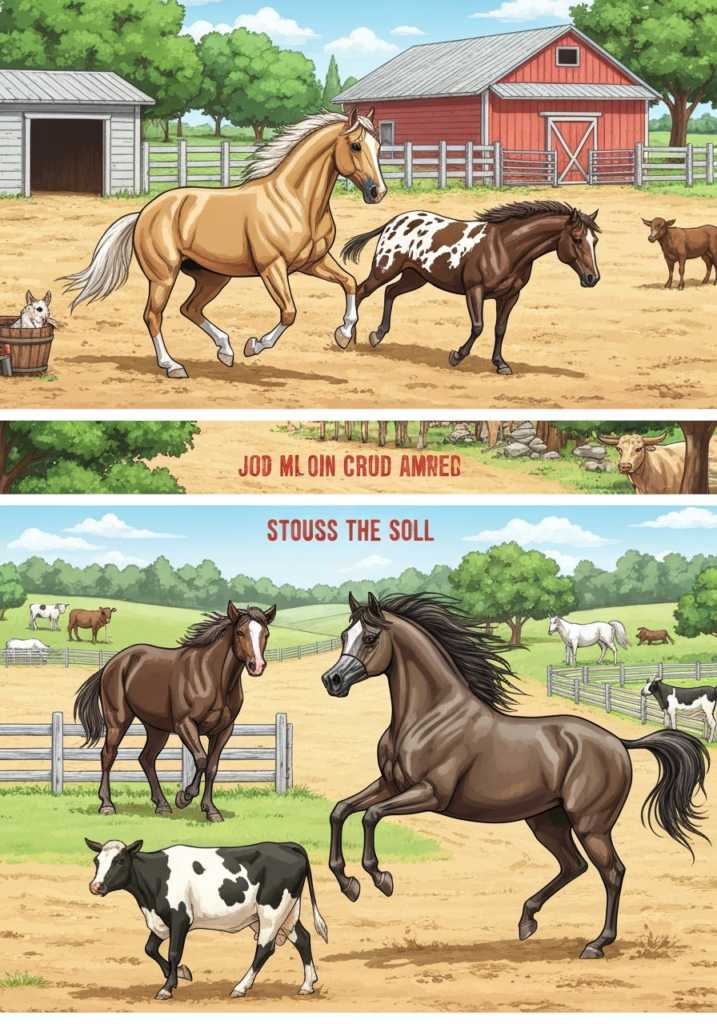
For example, the American Quarter Horse is incredibly versatile and often excels in a variety of western events. Knowing what each discipline entails helps you focus your search and find a horse with the potential to succeed. Researching which bloodlines are known for producing winners in your chosen event can give you a significant advantage, and reviewing the performance report can enhance this insight.
Here is a look at a few disciplines and the qualities they require:
| Equestrian Discipline | Key Horse Requirements |
|---|---|
| Reining/Cutting | Athleticism, responsiveness, "cow sense," agility |
| Trail Riding (Competitive) | Calm temperament, sure-footedness, ability to navigate obstacles |
| Ranch Work | Stamina, good work ethic, versatility, quiet disposition |
| Roping | Speed, strength, ability to track cattle, calm under pressure |
What You Need to Get Started as a First-Time Competition Horse Buyer
As a first-time buyer, it's easy to feel overwhelmed. Before you bring your new horse home, you need to be prepared for peace of mind. This means not only understanding the buying process but also having the right gear and support system in place. Horse ownership is a major responsibility, and preparation is crucial for a smooth transition.
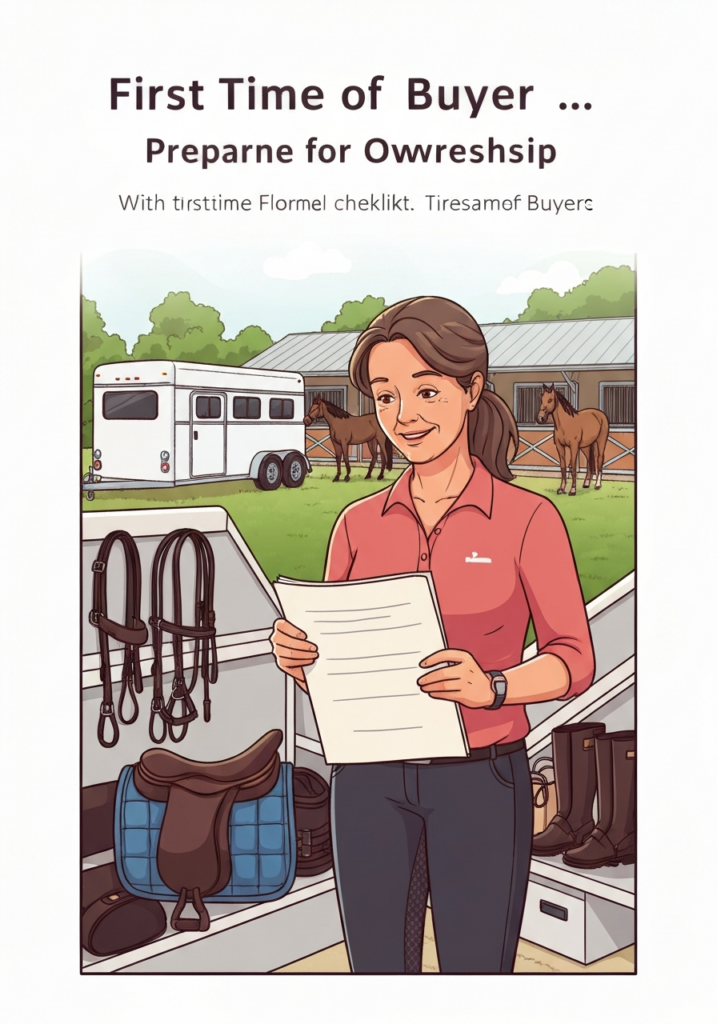
For beginner equestrians, having a solid foundation of knowledge and resources makes all the difference. Horse enthusiast Randee Fox suggests that the next sections will cover the essential equipment you'll need and where you can find support as you begin your journey.
Essential equipment and riding gear for new owners
Once you've found your first horse, you'll need the right equipment to care for them and enjoy your time together. Horse ownership requires more than just a pasture and feed; having the essential equipment on hand from day one ensures your horse's safety and comfort. To get started on your journey, consider clicking here for an online insurance quote today.
Your riding gear is just as important. A properly fitting saddle and bridle are crucial for effective communication and your horse's well-being. Investing in quality items from the start can save you trouble down the road.
Basic essentials for a new horse owner include:
- Grooming supplies (brushes, hoof pick, combs)
- Tack (saddle, bridle, saddle pad)
- Safety gear (helmet, riding boots)
- Stable supplies (feed buckets, water trough, first-aid kit)
Resources and support for beginner equestrians
No one should navigate the world of horse ownership alone. For beginner equestrians, building a network of support is vital. Experienced trainers, veterinarians, and fellow horse enthusiasts, including the official equine insurance sponsor, can provide invaluable guidance as you learn the ropes.
Organizations like the American Quarter Horse Association (AQHA) offer a wealth of information. As a member of AQHA, their resources, from professional horseman directories to online articles, are designed to help new owners succeed. Social media groups and local clubs can also be great places to connect with other riders.
Here are a few key resources to seek out:
- AQHA Professional Horsemen: These experienced trainers can help you find a horse and improve your riding skills, which can be essential for understanding the liability premium of a farm package policy.
- Online E-books and Guides: Many organizations offer free guides, like the "Buyers Guide to an American Quarter Horse."
- A Trusted Veterinarian: Find a good equine vet before you even buy a horse to perform a pre-purchase exam.
Step-by-Step Guide to Buying Your First Competition Horse
The process of buying a competition horse should be methodical and thorough. Following a step-by-step approach helps you stay focused and make a logical choice, rather than an emotional one. This ensures you find the right horse that truly fits your needs and meets the expectations demonstrated by the original handler.
Having an experienced horse person or a professional trainer with you can provide an essential second opinion. They can spot things you might miss and help you evaluate a horse's suitability for the public arena. The following steps will guide you through the buying process from start to finish.
Step 1: Define your competition goals and budget
Before you even start looking at sale ads, you need to be realistic about your goals and financial limits for your next horse. Are you aiming for local shows, or do you have national-level aspirations? Answering this question will help determine the level of training and talent you need in a horse. This clarity is the foundation for making an informed decision.
Your budget should include not only the purchase price but also ongoing costs like board, feed, vet care, and training. This comprehensive guide will help you be honest about what you can afford, preventing future financial stress and helping you narrow your search to suitable prospects.
Consider the following as you set your goals:
- What specific equestrian discipline do you want to compete in?
- Are you looking for a young prospect to train or an older mount, an experienced horse to show you the ropes?
- What is your skill level, and how much of a challenge are you ready for?
Step 2: Research breeds and find reputable sellers
With your goals set, it's time for thorough research. Look into horse breeds that excel in your chosen discipline. Study bloodlines and use resources like QData, formerly Robin Glenn Pedigrees, to review a horse's performance record, all with the touch of a button, and its relatives' achievements. A Sire Report or Dam's Produce Report can reveal notable achievements by siblings.
Finding a reputable seller is just as important as finding the right horse. A trustworthy seller will be transparent about the horse's history, health, and the horse’s earnings. You can often find great horses through trainers, breed associations, and trusted online marketplaces.
Places to look for a competition horse include:
- Consulting an AQHA Professional Horseman in your area.
- Reputable online sale websites and social media groups.
- Directly contacting breeders known for producing quality performance horses.
Step 3: Evaluate horse suitability, ask seller questions, and arrange a trial
When you find a potential horse for a special purpose, the next step is to evaluate it in person. Ask the seller a prepared list of questions. You'll want to know about the horse’s recent background, training, any health problems, and vices. Understanding the horse's personality is key to ensuring a good partnership.
A test ride is non-negotiable. Have the seller or their trainer ride the horse first so you can observe its abilities with common sense. Then, ride the horse yourself to see if it performs for you and if you feel comfortable. This is the best way to determine if you are a good fit for each other.
Key questions to ask the current owner:
- Do you have the original registration certificate?
- What is the horse's vaccination and deworming history?
- Does he load into a trailer and stand tied quietly?
Step 4: Complete pre-purchase exams, paperwork, and plan transport
If you like the horse after your trial ride, the next step is a pre-purchase veterinary examination. A vet check is an overall horse health examination conducted by an independent veterinarian. This gives you a better idea of what care your future horse might need and uncovers any underlying issues.
Once the vet gives the green light, it's time to finalize the paperwork. This includes signing a bill of sale and completing the transfer of the registration certificate. Ensure all documents are in order before money changes hands. Finally, you'll need to plan transport to bring your new partner home safely.
Finalizing your purchase involves:
- Arranging and reviewing the results of the pre-purchase exam.
- Verifying the horse has a current Coggins test.
- Coordinating with a professional shipper or preparing your own trailer for transport.
Conclusion
Buying your first competition horse can feel overwhelming, but with the right knowledge and approach, it can also be an exciting journey. Remember to clearly define your goals, do thorough research on breeds and sellers, and engage a more experienced horse person to evaluate each horse's suitability through trials and pre-purchase exams. Engaging with supportive resources within the equestrian community will also help you navigate this process more confidently. Embrace the experience, trust your instincts, and enjoy the wonderful world of competitive riding. If you have any questions or need further assistance, feel free to reach out—we're here to help!
Frequently Asked Questions
How do I know if a horse is suitable for my competition level?
The ideal horse should match your current skill level and future ambitions. A beginner may need an older horse, more experienced competition horse, while an advanced rider might handle a younger prospect. Be honest about your abilities and have a trainer help you assess if the horse’s temperament and training are the right fit for older horses.
What questions should I ask when viewing a competition horse?
Use a horse checklist with a list of questions. Ask about the horse’s recent background, kind of training history, health, and personality. Inquire about any vices, how it behaves for the farrier, and if the seller work was done by a professional. Also confirm details about its physical structure and registration.
Should I lease a horse before buying one for competitions?
Leasing is often a good idea, especially for a first-time buyer or someone trying a new discipline. It allows you to experience the responsibilities of horse ownership and test ride a certain type of horse without the long-term commitment of purchasing. It's an excellent way to gain confidence before you buy.
What are common mistakes first-time buyers make when choosing a competition horse?
A common mistake with a first horse is skipping the pre-purchase exam, which can lead to unexpected health issues and problems. Other errors include failing to do thorough research, letting emotion drive the process of buying, and not having a clear budget. Not making an informed decision can lead to a poor match.
https://www.aqha.com/about-aqha-overview
https://www.aqha.com/racing-disciplinary-actions
https://www.thesprucepets.com/how-long-do-horses-live-1887384