
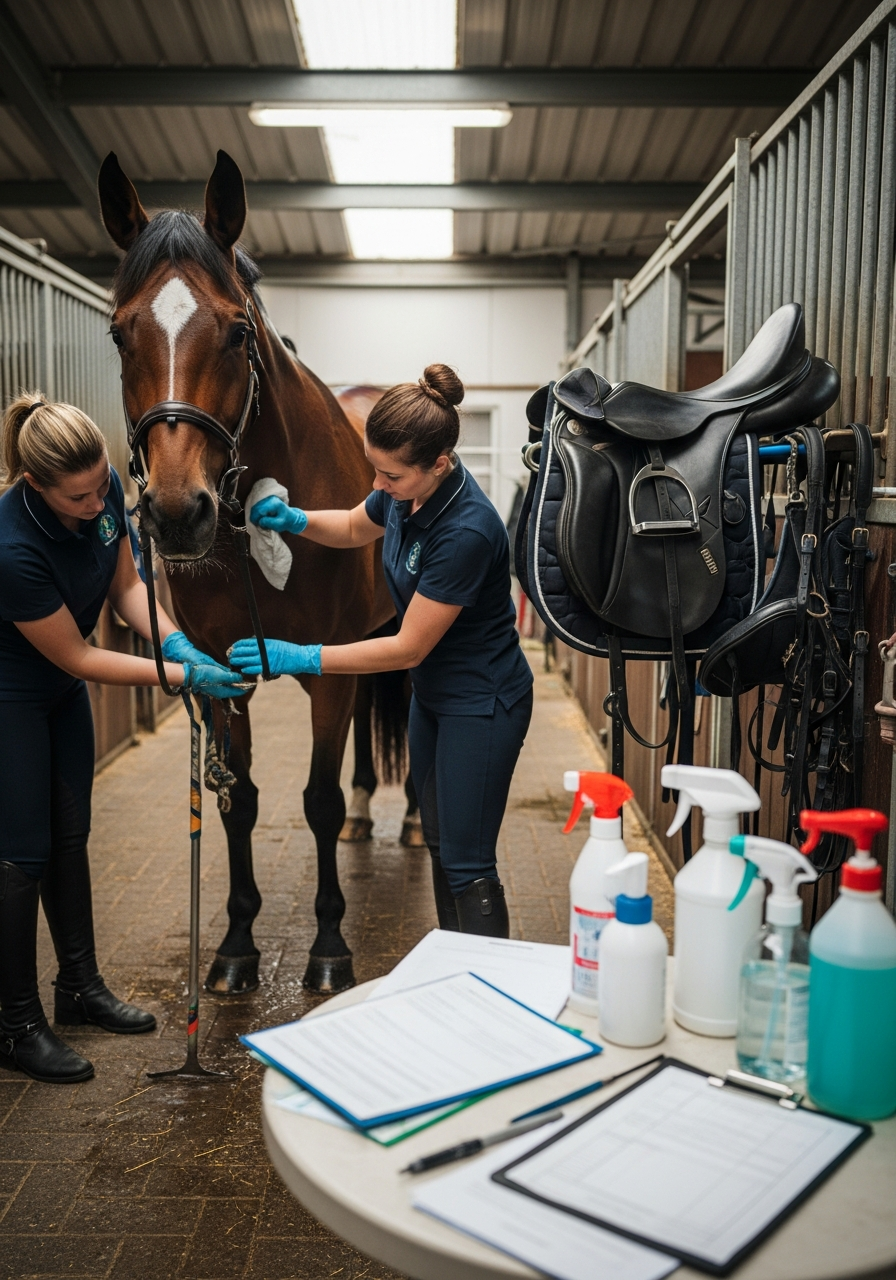

Essential Tips for Preparing a Horse for an Equestrian Event
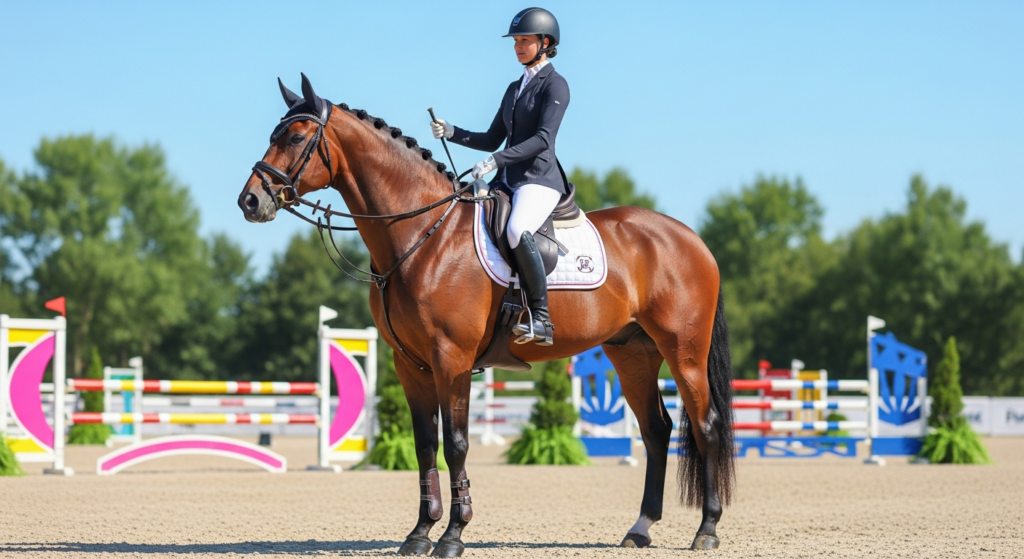
Key Highlights
- Plan your eventing season ahead of time, including training, travel, and appointments.
- Focus on your horse's fitness with a gradual conditioning program for show jumping and cross country.
- Gather all necessary equipment, from tack and safety gear to grooming supplies, before show day.
- Help your horse acclimate to the horse show environment to minimize stress and ensure a positive experience.
- Follow biosecurity measures to protect your horse and others at the event.
- These top tips will help you and your horse feel confident and prepared for your next equestrian event.
Introduction
Getting ready for an equestrian event can be both exciting and a little overwhelming, especially if it's your first time. Proper preparation is the key to ensuring you and your equine partner have a successful and enjoyable day. Whether you're a seasoned competitor or new to the scene, thinking ahead can make all the difference. This guide will walk you through the essential steps, from conditioning your horse to packing your gear, so when you hear your horse's name called, you're both ready to shine.
Understanding the Basics of Equestrian Events
Equestrian events are a fantastic way to showcase the partnership you have with your horse. These competitions test various skills across different disciplines, from the precision of a dressage test to the athleticism of show jumping. Preparing for your first event starts with understanding what will be expected of you both.
Familiarizing yourself with the rules and the show environment is a great first step. This knowledge helps you create a targeted training plan and ensures you and your horse arrive on show day feeling confident and prepared for the challenge. Let’s look at the types of competitions and what to expect.
Types of Equestrian Competitions
Equestrian sports encompass a variety of disciplines, each with its unique challenges. Three of the most popular are dressage, show jumping, and cross country, which together make up the sport of eventing. Dressage tests the horse's obedience, flexibility, and balance through a series of prescribed movements.
Show jumping requires horse and rider to navigate a course of fences within a set time, with penalties for knocking down rails or refusing jumps. This phase demands precision, agility, and a strong connection between you and your horse. It’s a thrilling test of skill for both ponies and larger horses.
Cross country is a test of endurance, speed, and bravery, where pairs tackle a long course of solid, natural obstacles. Competitions are held at various levels, from local shows to international events governed by organizations like the FEI. Understanding the demands of each phase is crucial for preparing your horse for the eventing season.
What to Expect at Your First Horse Show
Your first show is a huge milestone! The atmosphere of a horse show is often bustling with activity, which can be a lot for a horse to take in. Expect to see lots of other horses, people, and new sights and sounds. Arriving with plenty of time to spare will help you settle in without feeling rushed.
On show day, you'll need to check in, get your number, and locate your stabling area. You'll also want to walk your courses and warm up your horse before your class. This helps your horse get accustomed to the environment and allows you to formulate a plan for your ride.
Safety is paramount, so ensure all your safety gear is correctly fitted and meets the competition's standards. The main goal of your first show is to have a positive experience. Focus on staying calm, supporting your horse, and enjoying the day, regardless of the results.
Beginner’s Guide to Preparing a Horse for an Event
Preparing your equine partner for an event is a journey that begins long before show day. A successful performance is built on a foundation of consistent training and thoughtful preparation. This involves more than just riding; it includes fitness conditioning, schooling for specific disciplines like jumping, and ensuring your horse is mentally ready.
The key is to create a well-rounded plan that addresses your horse's physical and mental needs. By focusing on the fundamentals, you can build a confident and capable team. Below, we'll cover the essential equipment you'll need and the basic skills every rider should master.
Essential Equipment and Preparations
Having the right equipment is crucial for a successful and safe event. Before you even start packing, check that all your tack is clean, in good repair, and fits correctly. A week before the event, inspect the stitching on your saddle, bridle, and stirrup leathers to catch any potential issues.
Your list will vary depending on the disciplines you're competing in. For eventing, you might need different saddles or bridles for each phase. It's also wise to pack spares of essential items like reins or girths. A detailed checklist is your best friend when preparing for a show.
Don't forget the small but important items that can make or break your day. Consider the ground conditions and pack a variety of studs if needed. Essential safety gear, like a properly fitted helmet and body protector, is non-negotiable. Other key items include:
- Grooming kit
- First-aid kits for both horse and human
- Coolers and rugs for temperature control
- Feed, hay, and water buckets
Basic Skills Every Rider Needs
Beyond having the right gear, your success in the ring depends on your riding skills. A solid foundation is essential for clear communication with your horse. This means mastering the basics of your chosen discipline, whether it's the precise aids of dressage or the rhythm and balance required for jumping.
Practicing individual movements from your dressage test is a good way to prepare without your horse anticipating the whole sequence. For jumping, focus on maintaining a steady pace and finding a good stride on the approach to fences. Consistent practice builds muscle memory for both you and your horse.
Remember that clear, quiet aids are most effective. Using accessories like spurs should only be done if you have an independent seat and leg. Ultimately, the goal is to be a confident, effective rider who can support their horse through the challenges of competition.
Step-by-Step Guide to Getting Your Horse Ready
Getting your horse ready for showtime is a process that requires planning and giving yourself plenty of time. A systematic approach ensures no detail is overlooked, from building physical stamina to perfecting your horse's appearance. Rushing at the last minute only adds stress for both of you.
By breaking down the preparation into manageable steps, you can feel confident and organized. The following sections will guide you through assessing your horse's fitness, creating a conditioning plan, grooming for presentation, and packing everything you need, ensuring you are both ready for the big day.
Step 1: Assessing Your Horse’s Fitness and Health
The first step in any preparation plan is to honestly assess your horse's current fitness and health. Is your horse coming back from a break, or have they been in consistent work? Their current condition will determine the timeline and intensity of your training program. Building stamina is a gradual process.
Pay close attention to your horse's overall well-being. Regular check-ups with the farrier, dentist, and physiotherapist are essential to ensure your horse is in top condition to perform. Address any underlying health issues before increasing the workload. A healthy horse is a happy and willing partner.
Proper nutrition is also a key component of fitness. Ensure your horse's diet supports their energy needs, and consider adding electrolytes to their water or feed, especially during strenuous work or hot weather, to aid in hydration and recovery.
Step 2: Training and Conditioning for the Event
Once you've assessed your horse's fitness, you can create a targeted training and conditioning schedule. If your horse has had a few months off, start slowly with several weeks of hacking before introducing more strenuous work. The goal is to gradually build muscle and stamina without causing injury.
Incorporate a variety of work into your routine. Hill work is excellent for building strength, while interval training can significantly improve fitness for the demands of eventing. Regular schooling sessions focused on dressage and jumping will sharpen your horse’s skills and your communication as a team.
Remember to use appropriate protective gear during training, such as cross country boots for schooling over solid fences and tendon boots for jumping. Always include a proper warm-up and cool-down in every riding session to prepare your horse's muscles for work and aid in recovery.
Step 3: Grooming and Presentation Tips
Presentation matters in the show ring, and a well-groomed horse reflects the care and effort you've put into your preparation. A consistent daily grooming routine is the foundation for a gleaming coat. On show day, you'll want to take it a step further to achieve a polished, tidy look.
Focus on the details. The mane and tail should be clean, free of tangles, and neatly styled according to your discipline's tradition. Using a detangler can help make combing through the tail easier and prevent breakage. Bathe your horse a day or two before the show, and use a show sheet to keep them clean.
Final touches on the day of the event will complete the picture. A final brush-down, hoof polish, and wiping around the eyes and muzzle will have your horse looking their absolute best. For a polished appearance, remember to:
- Plait or braid the mane neatly.
- Trim whiskers and bridle paths.
- Ensure all tack is immaculately clean.
- Use a finishing spray for extra shine.
Step 4: Packing a Horse Show Checklist
A comprehensive checklist is essential to ensure you don't forget anything on show day. Start organizing your gear a week in advance to avoid any last-minute panic. Divide your list into categories: horse tack, horse care, rider attire, and stable supplies.
Remember to pack for each phase of the competition. This might mean bringing a different saddle for dressage and jumping, or specific attire for each class. If you are staying overnight, you'll also need to pack hay, feed, water buckets, and bedding for your horse’s stall.
Don't forget your own needs! Pack your competition attire, extra clothes for warmth or rain, and snacks and drinks to keep your energy up. Using a detailed checklist ensures you can focus on your performance, knowing you have everything you need.
| Category | Item |
|---|---|
| Horse Tack | Saddle(s), bridle(s), girth(s), saddle pads, spurs |
| Horse Care | Grooming kit, fly spray, first-aid kit, electrolytes |
| Rider Attire | Show jacket, breeches, boots, helmet, gloves |
| Stable Supplies | Water/feed buckets, haynet, bedding, mucking out tools |
Managing Stress and Biosecurity During Events
Horse shows can be stressful environments for both horses and riders. The new sights, sounds, and flurry of activity can be overwhelming. Managing this stress through relaxation techniques and careful planning is key to a positive experience. Your calm demeanor will have a calming effect on your horse.
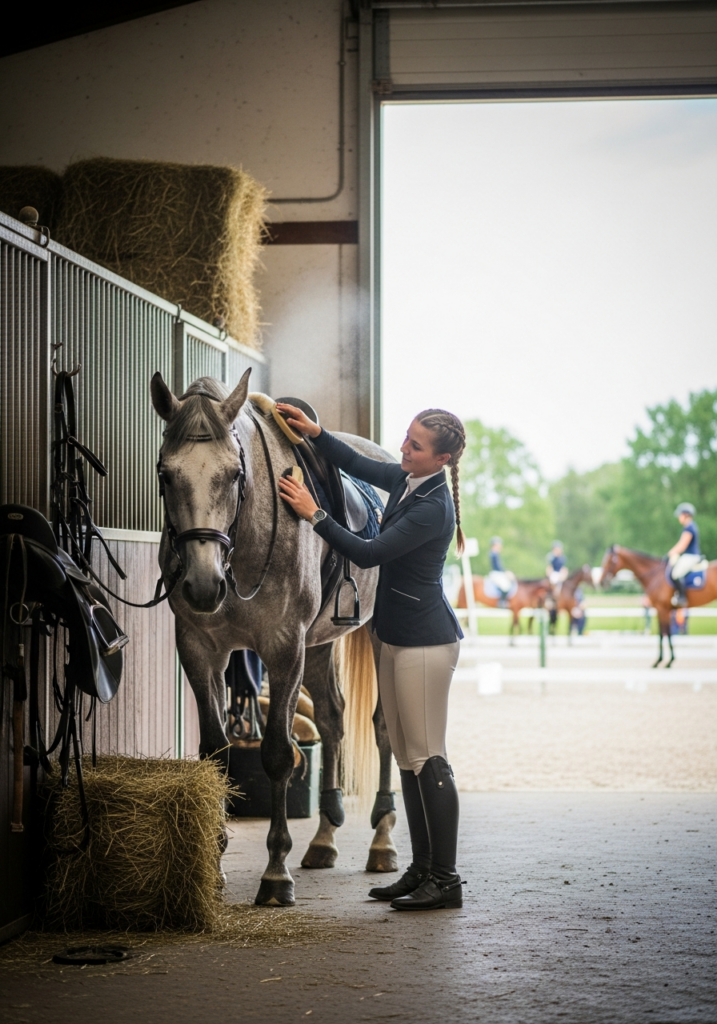
Equally important is practicing good biosecurity to protect your horse's health. With so many horses from different places gathered together, the risk of spreading illness increases. Being proactive about biosecurity is a responsibility every competitor shares. Let's explore how to manage these two critical aspects of competing.
Helping Your Horse Adjust to Show Atmosphere
Helping your horse adjust to the show environment is crucial, especially for a young horse or one at its first time out. The goal is to make the experience as positive as possible. One of the best ways to do this is through exposure. If possible, take your horse to a show just to hang out, without the pressure of competing.
When you arrive at the venue, give your horse time to settle into their stall and take in the surroundings. Hand-walking them around the grounds can help them become accustomed to the new sights and sounds. This has a wonderful calming effect and lets them know they are in a safe place with you.
Consider a schooling show or a clinic at a busy venue as a practice run. This allows your horse to experience the atmosphere of a show in a lower-stakes setting. Your patience and quiet confidence will be the most valuable tools in helping your horse learn that the show environment can be a fun place.
Best Practices for Minimizing Stress
Minimizing stress on show day starts with your own state of mind. Your horse is highly attuned to your emotions, so practicing relaxation techniques for yourself can have a direct calming effect on them. Take deep breaths, stay focused, and try to enjoy the experience.
A great way to reduce stress is to be incredibly organized. Arrive with plenty of time so you aren't rushing. Stick to your horse's normal routine as much as possible, especially with feeding times. This predictability provides comfort in an unfamiliar setting.
When you're at the show, find quiet moments for you and your horse to just stand and relax. Grooming can also be a wonderful bonding activity that helps lower stress levels. Other effective strategies include:
- Bringing a familiar buddy horse if possible.
- Using calming supplements if you know your horse is prone to anxiety.
- Providing plenty of hay to keep their digestive system busy.
- Ensuring they have access to fresh, clean water at all times.
Biosecurity Measures to Protect Your Horse
Practicing good biosecurity is essential for protecting your horse's health when traveling to events. This means taking steps to prevent the spread of infectious diseases. Before you even leave, ensure your horse's vaccinations are up-to-date, following guidelines from your veterinarian and organizations like the United States Eventing Association.
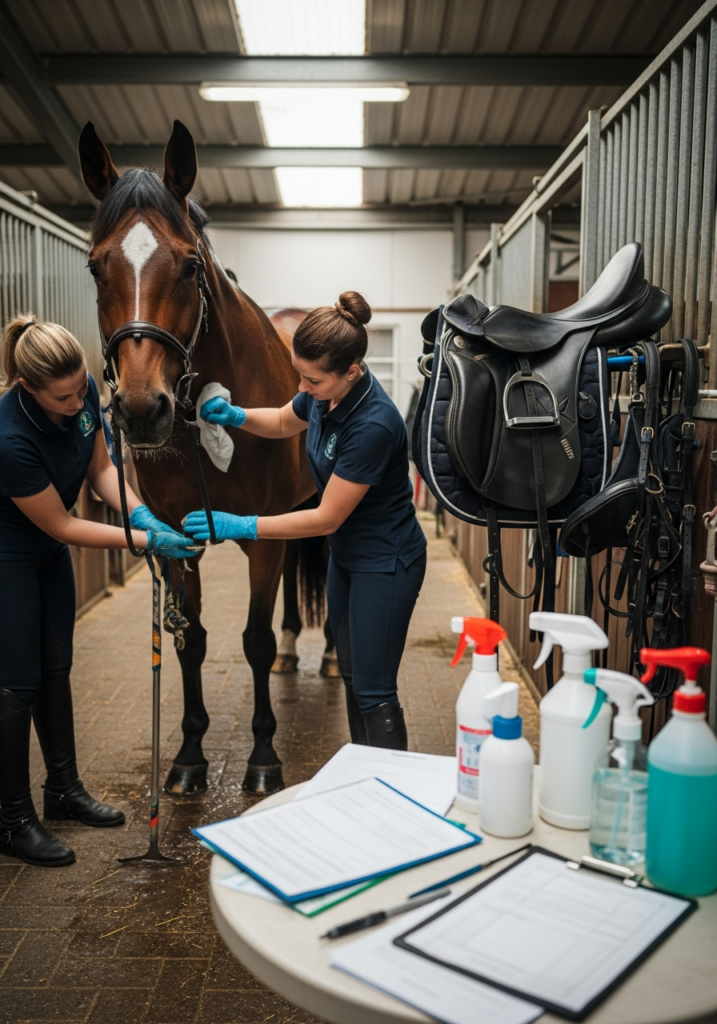
At the show, avoid direct nose-to-nose contact between your horse and others. Do not share equipment like water buckets, feed tubs, or grooming tools. If you must use a communal water source, use your own buckets to fill up and bring them back to your stall, rather than letting your horse drink directly from a shared trough.
Clean and disinfect your stall before putting your horse in it, if possible. Upon returning home, isolate your horse from others at your barn for a period of time to monitor for any signs of illness. This is especially critical if you compete frequently or travel to high-traffic areas like Florida for winter circuits. Always keep your barn manager informed of your travel schedule.
Conclusion
Preparing a horse for an equestrian event can be both exciting and daunting. By understanding the basics and following a systematic approach, you can ensure that both you and your horse are fully prepared to shine in the competition. From assessing your horse’s health to managing stress and ensuring proper grooming, every step is crucial for a successful experience. Remember, the goal is not just to compete but also to enjoy the journey with your horse. If you're looking for personalized assistance, don’t hesitate to reach out for a free consultation to better prepare yourself and your equine partner for the big day.
Frequently Asked Questions
How can I mentally prepare myself and my horse for an event?
Mental preparation involves visualization and relaxation techniques for you, and gradual exposure to the show environment for your horse. On show day, stay calm and focused, as your mood heavily influences your horse. Practice mindfulness and treat the event as a positive learning experience to reduce pressure on you both.
What are effective grooming routines before a show?
An effective routine starts with a thorough bath a day or two before the show. Keep the mane and tail clean and tangle-free with a good detangler. On show day, focus on achieving a tidy look by braiding, trimming, and adding finishing touches like hoof polish for a polished appearance.
Which products are recommended for summer horse shows?
For summer shows, an electrolyte supplement is crucial for hydration. A high-quality fly spray is a must for comfort. A good grooming detangler helps with mane and tail care, while cooler sheets and lightweight bedding can help keep your horse comfortable in the heat. Consider pre-portioned supplements from providers like SmartPak for easy travel.
How do I handle last-minute nerves or emergencies at a horse event?
For nerves, practice deep breathing and focus on your plan. Your calm presence will have a calming effect on your horse. For emergencies, have a first-aid kit and important phone numbers (vet, barn manager) readily available. On show day, remember to stay flexible and prioritize safety above all else.
https://doi.org/10.1016/j.jevs.2009.12.001
https://www.smartpakequine.com/ps/smartlytes-powder-6321
https://www.clipmyhorse.tv/en_US/academy/lesson/f1638e897fa3da73776fed44af6ee3bc
https://www.discovereventing.com